
The Smokehouse Creek Fire: A Historic Disaster
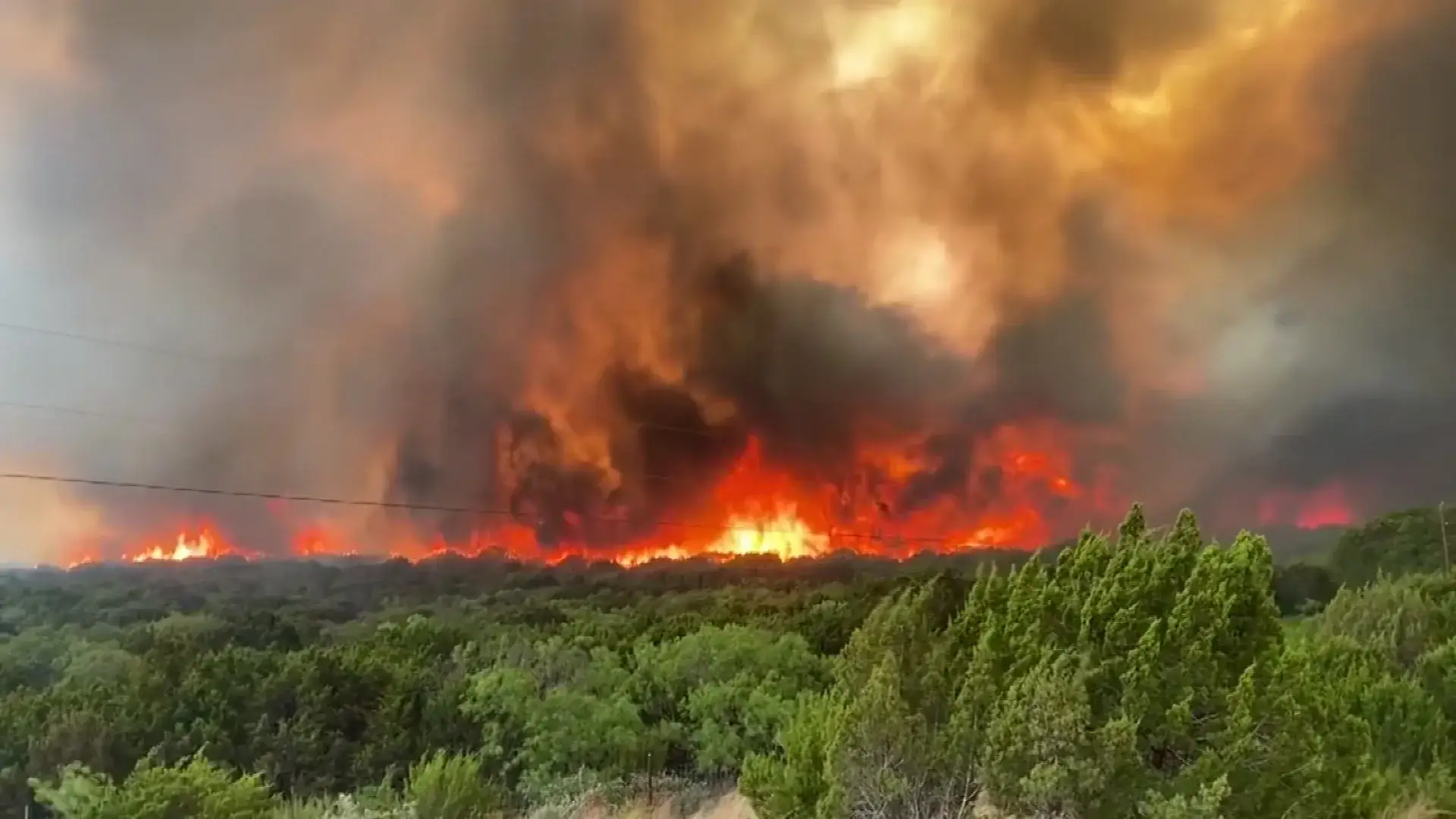
In early 2024, the Smokehouse Creek Fire became the largest wildfire in Texas history, tearing through the Panhandle region and destroying homes, ranches, and livelihoods in its wake. The scale of destruction has brought renewed attention to an uncomfortable reality: many Texas homeowners, particularly in rural areas, may not have adequate insurance coverage—or any coverage at all.
Rural Communities Face Higher Risk
The impacted counties in the Texas Panhandle share several characteristics that contribute to lower insurance coverage rates. These rural communities tend to have older populations, lower median incomes, and a higher percentage of homes owned outright without a mortgage.
No mortgage often means no insurance requirement
When homeowners pay off their mortgage or purchase a home outright, there's no lender requiring them to maintain homeowners insurance. While this saves money in the short term, it leaves these homeowners completely exposed when disaster strikes.
Homes Without Mortgages: A Critical Gap
The data reveals a stark difference between the impacted Panhandle counties and the rest of Texas. In the fire-affected areas, a significantly higher percentage of homes are owned free and clear—meaning no mortgage, and typically no required insurance.
Homes Without a Mortgage
Older Housing Stock Compounds the Problem
Another factor that increases vulnerability is the age of housing in these areas. Older homes typically cost more to insure and may be harder to replace to current building codes. The contrast is significant.
Homes Built After 1990
The Real Cost of Being Uninsured
For homeowners without insurance, the aftermath of a wildfire creates an impossible situation. Without coverage to rebuild, families face several harsh realities:
- Total financial loss: Without insurance, homeowners bear the entire cost of rebuilding or replacing their home—often hundreds of thousands of dollars.
- Replacement cost surprises: Many homeowners don't realize the gap between what they originally paid for their home and what it would cost to rebuild today, especially with current material and labor costs.
- Community displacement: When residents can't afford to rebuild, they often relocate permanently, accelerating population loss in already vulnerable rural communities.
- Economic ripple effects: Local businesses, schools, and services suffer when residents leave and the tax base shrinks.
What This Means for All Texas Homeowners
While the Panhandle fires have highlighted risks in rural areas, the lessons apply to homeowners across Texas. Climate patterns are making wildfires, floods, and severe storms more common throughout the state.
Key Takeaways
- Review your coverage annually: Even if you own your home outright, homeowners insurance protects your largest asset. Make sure your policy reflects current replacement costs.
- Understand your actual replacement cost: The gap between your home's market value and what it would cost to rebuild may be larger than you think. Request a replacement cost estimate from your insurer.
- Don't assume you're not at risk: Wildfires, like floods, can impact areas that have never experienced them before. Review your home's specific risk factors.
- Consider additional coverage: Standard policies may not cover all disaster types. Ask about wildfire, flood, and extended replacement cost endorsements.
The Bottom Line
The Texas Panhandle wildfires are a sobering reminder that adequate homeowners insurance isn't just a requirement for mortgage holders—it's essential protection for anyone who owns a home. The cost of premiums, while significant, pales in comparison to the catastrophic financial loss of being uninsured when disaster strikes.
Questions About Your Home's Protection?
Whether you're buying, selling, or simply want to understand your home's value in today's market, we're here to help.
Contact Us TodaySources
National Association of Realtors, Texas Real Estate Research Center, U.S. Census Bureau American Community Survey, Texas Department of Insurance