

If you bought a home in the Austin metro between early 2021 and mid-2022, you're not alone in wondering where things stand. Those 18 months were unlike anything our market had ever seen—and the correction since has been equally dramatic. At Adam Timothy Group, we believe in giving you the full picture so you can make decisions with clarity, not anxiety.
This isn't a doom-and-gloom piece. Yes, values have declined from the peak. But you also locked in financing that today's buyers would envy, and Austin's long-term fundamentals remain strong. The question isn't whether you made a mistake—it's what makes sense for your situation now.
What Happened: The Pandemic Housing Frenzy
To understand where we are, we need to look at what happened. Between December 2020 and May 2022—just 17 months—the median sale price in Austin jumped from $425,000 to $665,000. That's a 56.5% increase, or $240,000, in under a year and a half.
The conditions were extraordinary. Inventory dropped to 0.3 months—essentially nothing. Homes averaged just 15 days on the market. Multiple offers were the norm, with 20 to 40 competing bids on desirable properties. Buyers routinely offered $100,000 to $200,000 over asking price just to get in the door.

What drove it? A perfect storm of factors: mortgage rates at historic lows averaging around 3%, a surge in remote work that freed tech workers to relocate, massive in-migration from California and New York, federal stimulus money, and Austin's growing reputation as a tech hub. Between 2020 and 2022, the metro added nearly 138,000 new residents. They all needed somewhere to live.
What's Happened Since: The Correction
Starting in late 2022, the market shifted—and it shifted hard. Austin experienced one of the steepest corrections of any major U.S. metro. While most markets stabilized or continued modest growth, Austin prices have declined for three consecutive years.
Several factors drove the correction. Mortgage rates began rising sharply in 2022, averaging 5.34%, then surged through 2023—peaking near 8% in October—crushing buyer purchasing power. Return-to-office mandates slowed in-migration as remote workers were called back to their original cities. Builders who had ramped up during the boom delivered thousands of new homes, particularly in the suburbs. Supply finally caught up with demand.
Today's market looks nothing like 2022. Homes sit on the market for 60–75 days on average. Inventory has reached record levels, with more active listings than at any point in the past decade. Buyers have time to shop, negotiate, and walk away.
Where the Market Landed: A Tale of Two Austins

The correction didn't hit evenly. As prices came down, something interesting happened: buyers who had been priced out of central, walkable neighborhoods during the frenzy could suddenly afford them again. Why settle for a longer commute when Travis Heights is within reach?
During the boom, a buyer who wanted to be in 78704 but couldn't afford it might have stretched out to 78741 or 78745. Someone priced out of 78702 might have landed in 78721 or farther northeast in 78723—neighborhoods like St. Johns or Windsor Hills. Now, with prices corrected, those trade-offs aren't as necessary. Demand has shifted back toward the urban core—and that's reflected in how different areas have performed.
Redfin Median Sale Price: May 2022 → May 2025
Austin Overall
78751 Hyde Park
78704 Travis Heights
78702 East Austin
78722 Cherrywood
78738 Bee Cave
78731 NW Austin
78757 Crestview
78721 East Austin
Kyle
78745 South Austin
78741 Riverside
The pattern makes sense: when everything was expensive, buyers compromised on location. Now that prices have corrected, they're prioritizing walkability, shorter commutes, and established neighborhoods. The most desirable urban areas—like Hyde Park—actually gained value during the correction. Central areas with limited inventory are holding; areas with heavy new construction have more ground to make up.
A note on methodology: We use Redfin median sale prices for consistency across neighborhoods. However, median pricing can be heavily influenced by which homes happen to sell in a given period. Neighborhoods with diverse housing stock—like Cherrywood or Bee Cave—may show more volatility than the underlying market. Zillow's Home Value Index, which tracks the same homes over time, often tells a different story. Your home's actual performance depends on its specific characteristics, not just the ZIP code.
The Silver Lining: Your Interest Rate
Here's what often gets lost in the conversation: if you bought in 2021 or early 2022, you likely locked in a mortgage rate between 2.96% and 3.5%. As of mid-2025, rates are hovering around 6.5%. That difference is enormous.
Same Payment, Different House
$100K less house for the same monthly payment
Same House, Different Payment
$1,060/month MORE for the same house ($12,700/year)
That's over $12,700 per year in additional carrying costs for a buyer purchasing today—on the exact same property. Your low rate is a genuine asset, one that gives you options other homeowners don't have.
It also means that even though your home's value may be down from the peak, your monthly cost to own it is dramatically lower than what a new buyer would pay for a similar property today. This changes the math on whether to sell, hold, or convert to a rental.
Your Options: Sell, Lease, or Hold
So what should you do? There's no universal answer—it depends on your timeline, your financial situation, and what else is happening in your life. But here's an honest look at each path.
Option 1: Sell
If you need to move—whether for a job, family reasons, or lifestyle change—you can still sell. But expectations must be realistic.
- Price to today's market, not 2022 comps
- Expect 60–90 days on market
- Budget for negotiations and concessions
- May need to bring cash if underwater
Option 2: Lease It
Your low interest rate may allow positive cash flow as a rental—an option today's buyers don't have.
- Single-family rents: ~$2,100–$2,400/month
- Compare to your PITI payment
- Rental market cooling but still active
- Build equity while waiting for recovery
Option 3: Hold
If you don't need to move, staying put may be the smartest play. Austin's long-term fundamentals remain strong.
- Population growth continues
- Tech sector diversifying
- Your rate is a long-term advantage
- Markets recover over time
If You're Thinking About Selling
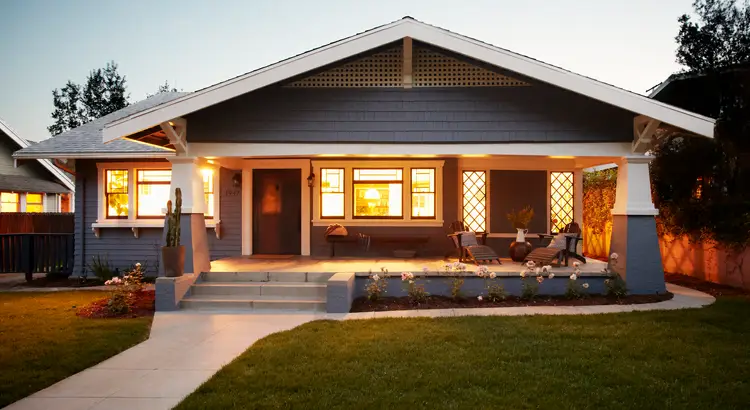
The hard truth: anchoring to your 2022 purchase price isn't realistic. Buyers today have choices, time, and leverage. Properties priced to 2022 expectations sit for months, then sell for less than they would have with strategic pricing from the start.
The homes that sell in today's market share common traits: accurate pricing based on recent comparable sales (not Zestimates or wishful thinking), professional presentation with quality photography and staging, and sellers who are flexible on negotiations and closing costs.
If you're underwater—meaning you owe more than the home is worth—selling gets more complicated. You may need to bring cash to closing or explore options like a short sale. These situations require careful planning and often professional guidance.
If You're Thinking About Leasing
Your low mortgage rate creates an opportunity that didn't exist for investors who bought at higher rates. Let's say your all-in payment (principal, interest, taxes, insurance) is $2,400 per month on a home that would rent for $2,300. That's a small monthly loss—but you're building equity, taking tax deductions, and holding an appreciating asset for the long term.
Now compare that to an investor who buys today: their payment on the same property might be $3,400 per month. They can't make the numbers work. You can.
Austin's rental market has cooled—vacancy rates have risen to nearly 10% for apartments, and rents are down about 18% from the 2022 peak. But single-family rentals remain more stable, and there's still demand for quality homes in good school districts. You'll need to price competitively and be prepared for longer vacancy periods than in recent years.
The Long View: Austin's Fundamentals
It's easy to get caught up in the correction, but step back and look at the bigger picture. In December 2020, Austin's median sale price was $425,000. Today it's $555,000. That's still a 30.6% gain over less than five years—far outpacing inflation. The market hasn't crashed—it's corrected from unsustainable highs to something closer to long-term fundamentals.
The factors that made Austin attractive haven't disappeared. The tech sector continues to diversify beyond its dependence on any single company. Corporate relocations continue, even if at a slower pace. The university system produces educated workers. Quality of life remains high. And Texas's business-friendly environment continues to attract investment.
History suggests Austin will recover. The question is when, not if. Most analysts expect prices to stabilize through late 2025 into 2026 and begin modest growth thereafter. If you can hold for 5–7 years, you'll likely see your equity return—and then some.
"The Austin housing market has shifted from a seller's market to a buyer's market, but the fundamentals remain solid. Population growth, job creation, and quality of life continue to drive long-term demand."
— Austin Board of Realtors Market AnalysisHow We Can Help
At Adam Timothy Group, we've guided clients through every phase of Austin's market—the frenzy, the peak, and now the correction. We're not here to sugarcoat your situation or pressure you into a decision. We're here to help you understand your options and make the choice that's right for your life.
If you're a pandemic-era buyer weighing your options, here's what we can do:
For potential sellers: We'll run a comprehensive market analysis using actual recent sales—not algorithms—to show you exactly where your home stands. We'll give you an honest assessment of what it would take to sell, what you'd likely net, and whether that makes sense for your situation.
For potential landlords: We'll help you analyze the rental math, connect you with property management resources, and walk through the realities of being a landlord in today's market.
For those considering holding: Sometimes the best advice is to do nothing. We can help you understand the market trajectory and what conditions might signal the right time to revisit your decision.
We build community, one home at a time—and that means being honest with our clients, even when the news isn't what they hoped to hear. The market will recover. The question is what you need to do between now and then.
Let's Talk About Your Options
Whether you're thinking about selling, leasing, or just want to understand where your home's value stands today, we're here to help you make sense of it all—with honesty, not hype.
Sources & Data
All neighborhood price data: Redfin median sale price, May 2022 vs. May 2025. Additional sources: Austin Board of Realtors • Unlock MLS • Freddie Mac Primary Mortgage Market Survey • Texas A&M Real Estate Research Center