Easements in Texas: What Every Homeowner Should Know Before Buying
If you've ever looked at a home survey and seen labels like "utility easement" or "sewer easement," you may have wondered what they actually mean—and why they should matter to you. Easements in Texas give cities and utility providers the legal right to access parts of your property for specific uses, even though you still own the land underneath.
Understanding where easements sit and what they permit is essential. They might not affect your daily life today, but they can suddenly matter a great deal when you're planning to build, landscape, or even just replace a fence.
When we first moved into our current home, we hired someone to install a fence in our front yard. He took one look at the layout and warned us not to build too close to the street—even though it looked like we had the space. Sure enough, the city came through not long after and installed a sidewalk that would have required us to move the fence back five feet had we placed it where we originally planned. That's exactly the kind of surprise an easement is designed to prevent—but only if you know it's there.
What Is an Easement in Texas?
An easement gives someone the legal right to access or use part of your property for a specific purpose, even though you still own the land. These rights are recorded in public records and typically appear on a survey or title report. Whether you're buying, selling, or planning a renovation, it's important to understand what easements exist on a property and how they could affect your use of it.

Common Easements in Texas
1. Sewer Easements (Wastewater Easements)
A Texas survey showing a sewer easement indicates a legal right granted to a utility company or municipality to access part of your property for installing, maintaining, or repairing a sewer line. These easements typically run along the back or side of a lot, and they matter because:
- You cannot build permanent structures like a pool, casita, or deck over them.
- The city can dig up landscaping, driveways, or fences to repair lines, with no obligation to restore custom finishes.
- Access can be required with little notice in the case of leaks or line failures.
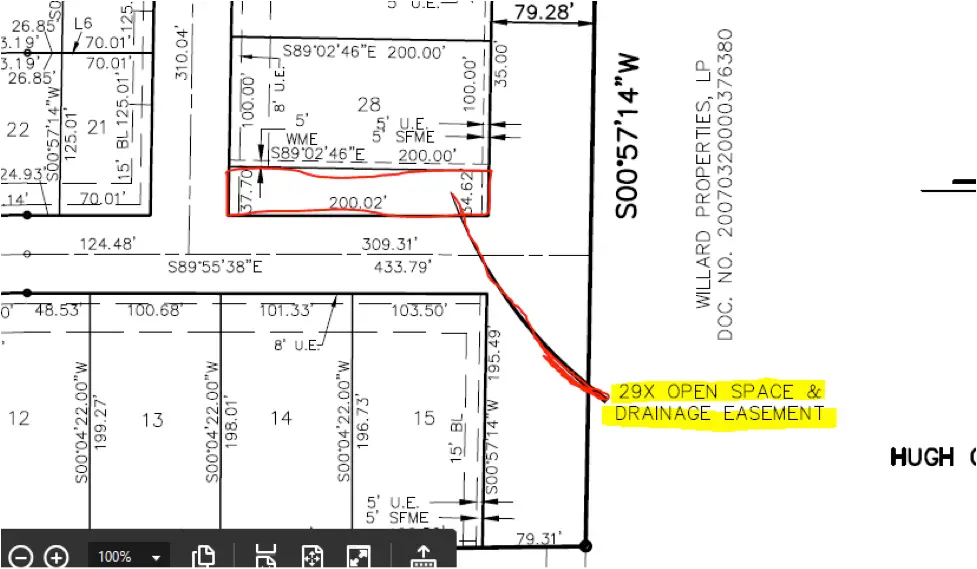
2. Sidewalk & Right-of-Way Easements
These easements typically sit along the front of your property and allow for public sidewalks or future street expansions.
- The city can add a sidewalk or widen the curb, even when the area appears to be part of your yard.
- Fences, trees, and signs in this zone can be subject to removal.
A Real-World Save
This is exactly what saved us. Knowing about the sidewalk easement before we built saved us time, money, and the hassle of rebuilding a fence the city would have made us move anyway.
3. Utility Easements (Electric, Gas, Water, Cable)
These typically run along lot lines and allow utility companies to maintain or upgrade service lines.
- You shouldn't build sheds, pour concrete, or plant large trees in these zones.
- If underground lines need servicing, the city or utility company can dig through anything in the way.

4. Drainage Easements
Drainage easements ensure water flows properly through or around your property, especially during heavy storms.
- Blocking or altering this space can cause flooding and create legal exposure.
- Even simple grading changes, fencing, or landscaping can be problematic if they affect water flow.
5. Ingress/Egress Easements
These grant others the right to cross your property and are common with shared driveways or back-lot access points.
- While not always visible, they must remain open and unobstructed.
- They can affect privacy and future plans, especially if you're considering subdividing or adding gates.
Reading the Survey
Your survey is your easement map. It shows where easements run, how wide they are, and what kind of access is allowed. Real estate professionals can help you spot them, but it's ultimately up to you as the buyer or seller to review and understand the implications. If you're unsure, speak with a surveyor or a land use attorney before finalizing your purchase or breaking ground on a project.
Every type of easement—whether sewer, sidewalk, utility, or drainage—can have a real impact on how you use your property. These aren't just lines on a survey. They represent legal rights that others hold over your land. Understanding them up front can help you avoid expensive surprises down the road, from blocked building plans to emergency city access.
Frequently Asked Questions About Easements in Texas
Can I build over a utility easement in Texas?
Generally, no. Permanent structures like sheds, pools, decks, or additions are not permitted within a utility easement. If repairs are needed, the utility company has the right to remove anything in their way without compensating you for the loss.
Do easements stay with the property when I sell?
Yes. Easements run with the land, not the owner. They transfer to the new owner at closing and remain in place regardless of who holds title.
How do I find out what easements are on my Texas property?
Easements are typically shown on the property survey and listed in the title commitment. If you don't have a current survey, your title company can pull recorded easements, and a licensed surveyor can locate them on the ground.
Can an easement reduce my property value?
It can, depending on the type and location. Easements that limit buildable area, restrict landscaping, or allow visible utility infrastructure may affect resale value. Drainage and access easements tend to have a bigger impact than minor utility easements along lot lines.
Who is responsible for maintaining an easement?
It depends on the easement. The property owner usually maintains the surface (mowing, basic upkeep), while the utility or municipality maintains whatever they have placed within it. Always review the recorded easement document for specific terms.
At Adam Timothy Group, we've seen firsthand how easements can affect both everyday homeowners and experienced investors. That's why we encourage every client to take surveys seriously, ask the right questions, and lean into the details before making a major decision.
If you're thinking about buying, selling, or building in Austin or anywhere in Texas, we're here to help you navigate the process with confidence—easements and all. Explore our Austin neighborhood guides, browse our featured properties, or visit our buyer and seller resource centers to learn more.
Have Questions About a Property's Easements?
Whether you're reviewing a survey, planning a build, or weighing an offer, we'll help you understand exactly what you're working with before you commit.
Book a 30-Minute Consult