
The 21st Century ROAD to Housing Act: What It Could Mean for Austin

Congress just passed the most significant housing legislation in more than three decades. For Austin and Texas homebuyers — long squeezed by tight supply and one of the highest rates of institutional investor activity in the nation — the 21st Century ROAD to Housing Act could reshape who gets to compete for a single-family home. Here’s what’s in the bill, where it stands, and what it could mean for the local market.
Buying a Luxury Home in East Austin: More Home for Your Money | Adam Timothy Group
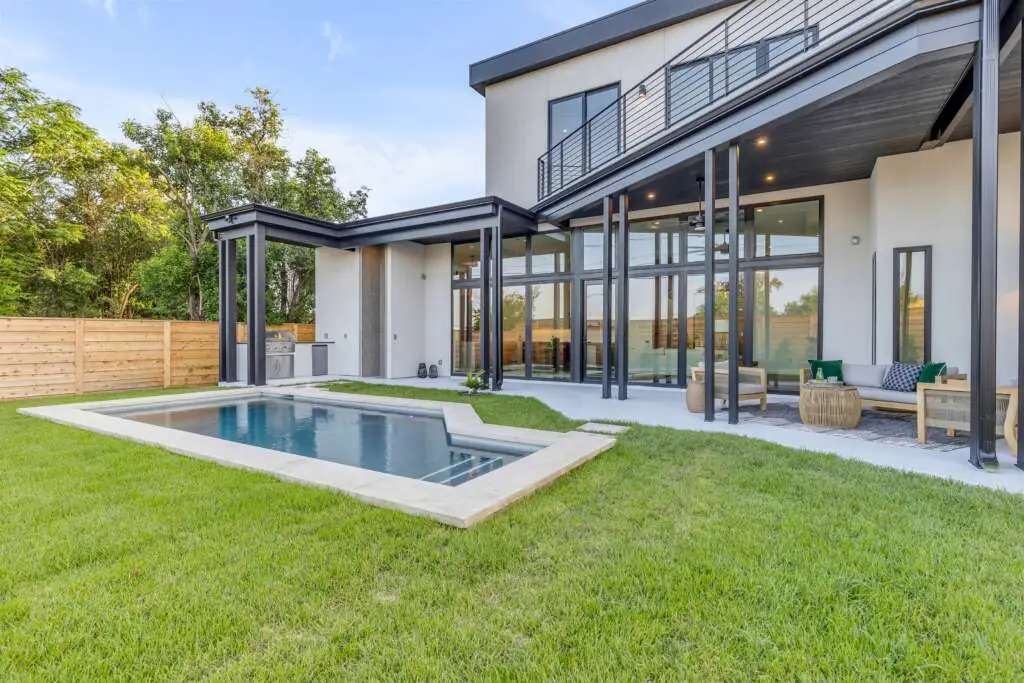
Browse East Austin luxury homes for sale with the Adam Timothy Group, your East Austin luxury agent. Architect-designed residences, sold listings, and expert local guidance.
Flex Listings on Unlock MLS: The Pros & Cons for Austin Sellers

Thinking about selling your Austin home privately or off-market? Unlock MLS rolled out Flex Listings as a new way to list with limited public exposure — a middle ground between a private pocket listing and a full MLS launch. Here’s an honest look at how private and off-market home sales work in Austin, and where Flex Listings fit in.
Oops, You’re Home: What to Say (and Not Say) If You Bump Into the Agent Showing Your House

You ran back for your AirPods. You forgot the dog was on the patio. You thought the showing was at 3:00, not 2:00. And now you’re standing barefoot in your own kitchen, eye-to-eye with a buyer’s agent and a couple in matching Patagonia vests. Welcome to one of the most awkward — and consequential — three minutes of your home sale.
Who Represents You Matters: Talk to Adam Timothy Group

Austin is not a simple market. A house in Tarrytown doesn’t price like a house in Allandale, even when they look similar on paper. A lot in 78704 can be worth meaningfully more or less than the lot next to it based on whether it’s in a flood plain, what the zoning actually allows, what the survey shows, and how the comp set has moved in the last 60 days. Multiply that across every neighborhood we cover, and the variance gets significant fast.
Compass One – Your Real Estate Command Center

Search Search Market Perspectives Blog Tools & Technology Compass One: Your Real Estate Command Center Market Perspective • Adam Timothy Group Buying or selling a home generates a flood of information — listings, documents, market updates, timelines, and constant back-and-forth with everyone involved in the transaction. The Compass One dashboard pulls all of it into […]
Austin Short-Term Rental vs Long-Term Lease: The Math Most Homeowners Miss

When Austin homeowners ask whether to run a short-term rental or sign a long-term lease, the answer almost never comes down to which option pays more per night. It comes down to the full picture — occupancy taxes, seasonal demand gaps, capital gains timing, and whether the only reason you’re holding onto the property is to have a free place to stay two weeks a year.
78702 Market Report: Inside East Austin’s Premier Zip Code

Search Search Market Perspectives Blog Market Perspective East Austin Housing Market 2026: Inside the 78702 Report Market Perspective • Adam Timothy Group • May 2026 The East Austin housing market has turned a corner. As resident agents in 78702 — the zip code at the heart of East Austin — we track these numbers daily, […]
Your Personal Board of Directors: Why Calibrated Advice Matters

Market Perspective Your Personal Board of Directors: Why Calibrated Advice Matters Adam Stanley • Broker Associate, Public Board Director, Investor in Good The smartest decision-makers don’t go it alone — they build a trusted inner circle. But the difference between good and great advice isn’t who’s on your board. It’s understanding the lens each member […]
To the Austin Seller in a Buyer’s Market

Search Search Market Perspectives Blog .atg-blog { background: #000000; color: #D0D0D0; font-family: ‘Open Sans’, sans-serif; line-height: 1.7; font-size: 16px; } .atg-blog * { box-sizing: border-box; } .atg-hero { padding: 60px 0 40px; border-bottom: 1px solid rgba(196, 181, 132, 0.2); margin-bottom: 40px; } .atg-category { display: inline-block; border: 1px solid #c4b584; color: #c4b584; padding: 6px 14px; […]